

Neck tightness or pain with work, driving, lifting, or simply waking up?
This guide explains the most common causes of neck pain, the three key movement-pattern subtypes we see in clinic, when to scan, and what actually helps.
Exercise Library
Before starting exercises, it helps to understand which movement pattern best fits your neck.
At LivFit Physio Mornington, we use clinical movement testing to determine this.
The Enzi Physio neck program uses the exact same framework inside its online system.
To explore which category best fits your movement pattern, you can complete the short Enzi online assessment here:
👉 Online Assessment: https://enziphysio.com.au
👉 App Store: https://apps.apple.com/au/app/enzi-physio/id6751647437
👉 Google Play: https://play.google.com/store/apps/details?id=com.kj2147828975.app
The 3 Key Neck-Pain Categories
These movement-pattern categories help guide the correct rehab approach.
They are the same categories used inside the Enzi Physio neck program.
1. Neutral Neck
Generalised tightness + weakness pattern
This pattern is present when neck pain is not affected by posture or shoulder tension.
Instead, there is a mix of muscular tightness and weakness across several areas.
People in this category typically benefit from:
-
Early activation of the Deep Neck Flexors (DNFs)
-
Mobility work for upper traps, levator scapulae, suboccipitals
-
Gradual strengthening of shoulders and postural muscles
-
Functional neck strengthening using push/pull movements in all planes
This approach helps build the capacity needed to tolerate everyday loads without flare-ups.
2. Postural Neck
Neck pain that eases when you use your Deep Neck Flexors
If activating DNFs immediately reduces your symptoms, it suggests your pain is related to postural control and excessive loading on the facet joints.
Rehab typically focuses on:
-
Isolated DNF activation
-
Postural endurance
-
Scapular control
-
Gradual functional strengthening once base control improves
As DNF control improves, surrounding neck and shoulder muscles often reduce their tension.
3. Elevation Neck
Neck pain that eases when you elevate your shoulder blades
This pattern occurs when lifting the shoulders (a gentle shrug) reduces pressure on the cervical joints by offloading the upper trapezius and levator scapulae.
Rehab usually includes:
-
Early “unloading” exercises with slight elevation bias
-
Mobility and controlled movement retraining
-
Postural corrections
-
Gradual functional shoulder strengthening
Starting in a comfortable, less-irritating position helps restore confidence and control.
What Is Neck Pain?
Neck pain is extremely common and can involve muscles, facet joints, discs, nerve irritation, or simply movement-control deficits.
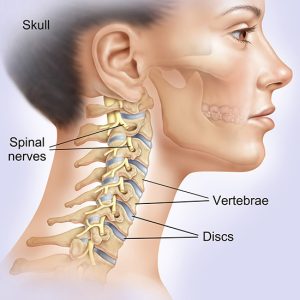
In many cases, symptoms relate more to how the neck moves, posture habits and strength rather than a single structural issue.
Common Causes & Triggers
-
Prolonged desk or screen posture
-
Sleep posture (too many/too few pillows)
-
Reduced postural muscle endurance
-
Stress-related muscle tension
-
Thoracic or shoulder stiffness
-
Sudden increases in lifting or DIY activity
-
Long periods of driving or head-forward positions
Typical Symptoms
-
Local ache or tightness in the neck
-
Pain referring into the shoulder blade or upper back
-
Headaches related to neck tension
-
Stiffness when turning or side-bending
-
Pain during driving, lifting, or prolonged sitting
Do I Need a Scan?
Not usually.
A scan (MRI/CT) may be considered if:
-
Symptoms follow trauma
-
There is arm weakness, numbness, or persistent nerve pain
-
Symptoms don’t improve after 6–12 weeks of consistent rehab
-
Your GP or Physio is considering further medical input
For most people, movement, targeted strength work, and load management are far more useful than imaging.
What Actually Helps (Evidence-Aligned)
-
Graded exercise matched to your movement category
-
Short-term activity modification
-
Mobility work for the neck, shoulders, upper back
-
Strengthening of postural and shoulder muscles
-
Load-management education
-
Short-term manual therapy to reduce sensitivity
-
Medication when advised by your GP
Surgery is rarely required except in specific clinical scenarios.
Self-Care Tips
-
Use a moderate, consistent pillow height
-
Sleep supported:
– On your side with a pillow under the arm, or
– On your back with a small pillow under the neck -
Take regular screen breaks
-
Gently move the neck through comfortable ranges every few hours
-
Maintain walking or cycling for general fitness
How We Help at LivFit Physio Mornington
(Mornington, Mount Martha, and Mount Eliza)
At LivFit Physio Mornington (207 Dunns Rd), you’ll receive:
-
A clear diagnosis
-
Identification of your neck-pain movement category (Neutral / Postural / Elevation)
-
A tailored rehab plan that fits your pattern and your daily tasks
-
Hands-on treatment when appropriate
-
Guidance on sleep, posture, and load management
-
Coordination with your GP for imaging or medication when needed
Book an appointment:
👉 Online bookings: https://livfitphysiomornington.com.au/make-a-booking/
👉 Clinic: 207 Dunns Rd, Mornington VIC 3931
Prefer Guided, At-Home Video Rehab?
Most LivFit clients with neck pain benefit from the structured progression inside the Enzi Neck Program.
You can begin Level 1 for free and explore your movement category here:
👉 Online Assessment: https://enziphysio.com.au
👉 Apple App Store: https://apps.apple.com/au/app/enzi-physio/id6751647437
👉 Google Play: https://play.google.com/store/apps/details?id=com.kj2147828975.app